

The Ultimate Guide to Pressure Cooking with an Instant Pot
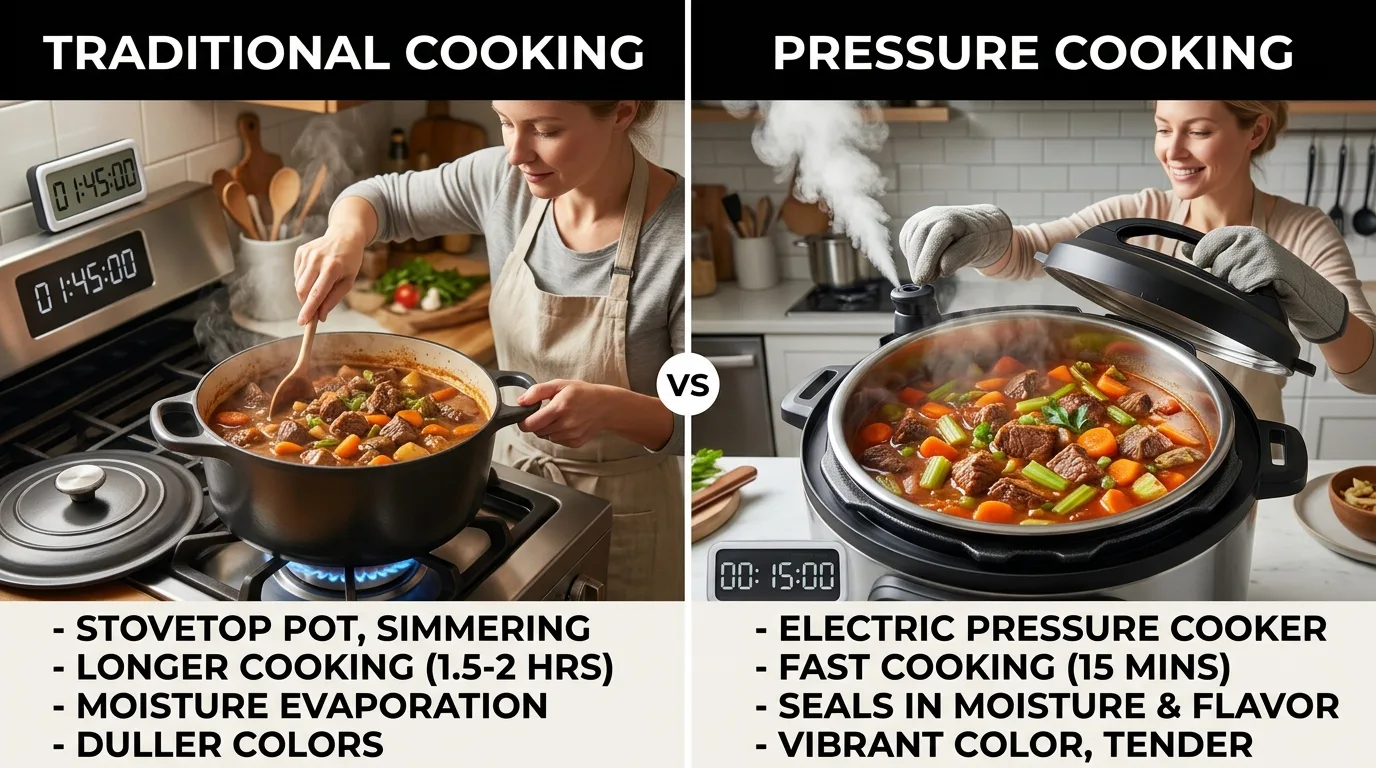
Are you tired of cooking meals that are bland and unappetizing? Do you want to explore new recipes and flavors without sacrificing your precious time? If so, then pressure cooking with an Instant Pot is the answer. This versatile kitchen appliance has revolutionized home cooking by making it faster, easier, and more efficient.
What is Pressure Cooking?
Pressure cooking is a cooking technique that uses high pressure to accelerate the cooking process. It works by sealing food in a pot under high pressure, which forces the water inside the food to boil at a much higher temperature than normal boiling. This results in faster cooking times and more tender meat.
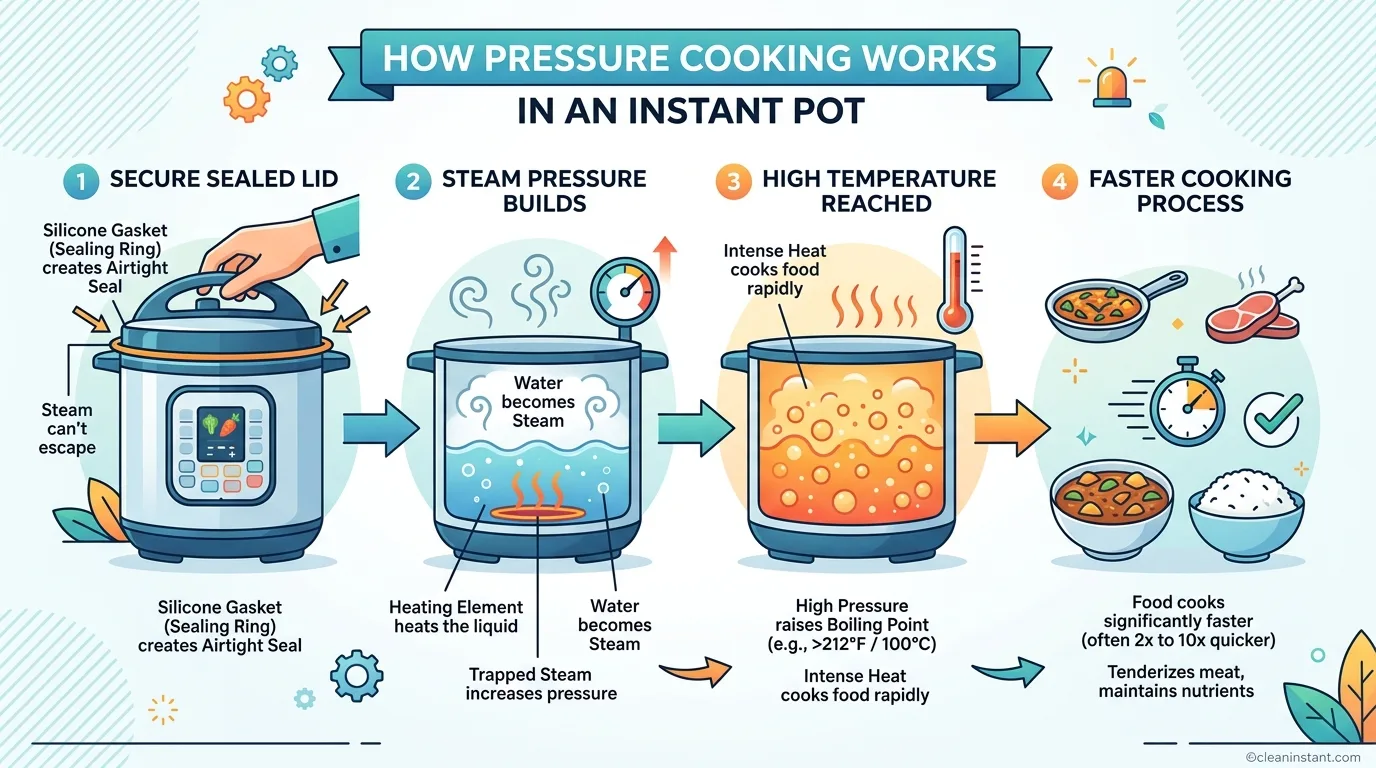
To understand how pressure cooking works, it's essential to know about the science behind it. When you cook food using traditional methods, heat is transferred from the outside of the pot to the inside through conduction, convection, or radiation. However, this process can be slow and uneven, leading to overcooked or undercooked areas.
Pressure cooking, on the other hand, uses a different mechanism called "thermal shock." When you seal food in a pressure cooker, the pressure builds up rapidly, causing the water inside the food to boil at an incredibly high temperature. This process accelerates the cooking time and helps break down connective tissue in meat, making it tender and juicy.
How Does an Instant Pot Work?
An Instant Pot is a multi-cooker that combines the functions of a pressure cooker, slow cooker, rice cooker, sauté pan, and yogurt maker into one appliance. It uses high pressure to cook food quickly and efficiently, while also allowing for precise temperature control and automatic shut-off.
The Instant Pot's advanced technology ensures that cooking times are reduced significantly compared to traditional methods. With its digital interface and intuitive controls, you can easily navigate through various functions, including sautéing, browning, slow cooking, and pressure cooking.
Benefits of Pressure Cooking with an Instant Pot
The benefits of pressure cooking with an Instant Pot are numerous:
Faster Cooking Times
Pressure cooking is significantly faster than traditional cooking methods, saving you time and effort in the kitchen. Imagine being able to cook a whole meal in under 30 minutes, without sacrificing flavor or quality.
More Tender Meat
The high pressure in a pressure cooker breaks down connective tissue in meat, making it tender and juicy. Whether you're cooking beef, pork, chicken, or lamb, pressure cooking ensures that your meat is cooked to perfection every time.
Energy Efficiency
Pressure cooking uses less energy than traditional cooking methods, making it an eco-friendly option for home cooks. By reducing cooking times, you also reduce the amount of energy consumed, which is beneficial for both your wallet and the environment.
Easy to Use
An Instant Pot is incredibly easy to use, with a simple interface and automatic shut-off. You can easily navigate through various functions, ensuring that you're always in control of the cooking process.
Tips for Beginners
If you're new to pressure cooking, here are some tips to get you started:
Start with Simple Recipes
Begin with basic recipes like chicken breast or beef stew. These recipes will help you understand how to use your Instant Pot and develop confidence in your cooking skills.
Use a Recipe Book or Online Resources
Consult recipe books or online resources for guidance and inspiration. Websites, blogs, and social media platforms are abundant with pressure-cooking recipes and tutorials that can help you improve your skills.
Practice Makes Perfect
Don't be discouraged if your first attempts don't turn out as expected. Pressure cooking is a skill that requires practice, patience, and experimentation. With time and experience, you'll become more confident in your ability to cook delicious meals using an Instant Pot.
Meat Tenderization
Meat tenderization is an essential step in preparing tougher cuts of meat for pressure cooking. You can use one or more of the following methods to tenderize meat:
Marinating
Soak meat in a mixture of acid (e.g., vinegar, citrus juice) and oil to break down connective tissue.
Tenderizing Agents
Use commercial tenderizers like papain or bromelain to break down protein fibers.
Overcooking
Cook meat until it reaches the desired level of tenderness. This method is often used for tougher cuts of meat, such as pot roast or short ribs.
Seasoning and Flavor Enhancers
Seasoning and flavor enhancers are essential components of pressure-cooked meals. To add flavor to your dishes, you can use a variety of herbs, spices, marinades, and sauces.
When choosing seasonings and flavor enhancers, consider the type of meat or dish you're cooking. For example:
Use aromatic herbs like thyme, rosemary, or oregano for roasted meats.
Add acidity with citrus juice or vinegar to brighten up flavors.
Experiment with spices like cumin, coriander, or chili powder for bold and exotic flavors.
Step-by-Step Guide to Pressure Cooking
To get the most out of your Instant Pot, follow these step-by-step guidelines:
1. Choose Your Recipe: Select a recipe that suits your taste preferences and cooking experience. 2. Prepare Ingredients: Chop, slice, or marinate ingredients according to the recipe instructions. 3. Pressurize the Cooker: Close the lid and set the Instant Pot to the desired pressure level (usually 10-15 psi). 4. Cooking Time: Set the cooking time according to the recipe instructions. 5. Quick Release: Release the pressure quickly by turning the valve to the "quick release" position.
Common Pressure Cooking Mistakes
To avoid common mistakes, keep in mind these tips:
Always follow the manufacturer's guidelines for using your Instant Pot.
Use a pressure cooker liner or pot when cooking acidic foods like tomatoes or citrus.
Don't overfill the pressure cooker, as this can lead to uneven cooking and potential explosions.
Be patient and monitor the cooking process closely, as pressure cooking times can vary depending on the type of food.
Instant Pot Maintenance
Regular maintenance is essential for extending the lifespan of your Instant Pot. Follow these tips:
Clean the Instant Pot thoroughly after each use with soap and water.
Descale the pot regularly to prevent limescale buildup.
Check and replace worn-out seals or gaskets as needed.
By following this guide, you'll be well on your way to becoming a pressure-cooking expert with an Instant Pot. Remember to experiment, practice, and have fun exploring the world of pressure cooking.