

As a parent, teacher, or advocate, navigating the world of learning differences can be overwhelming. With so many acronyms, definitions, and regulations to keep track of, it's easy to feel lost. But what if you could gain a deeper understanding of dyslexia screeners and Individualized Education Programs (IEPs)? This beginner's guide aims to demystify these critical components of supporting students with learning differences.
In this article, we'll explore the basics of dyslexia, IEPs, and how they work together. By the end of this journey, you'll be equipped with a solid foundation for understanding and advocating for students who need extra support.
What is Dyslexia?
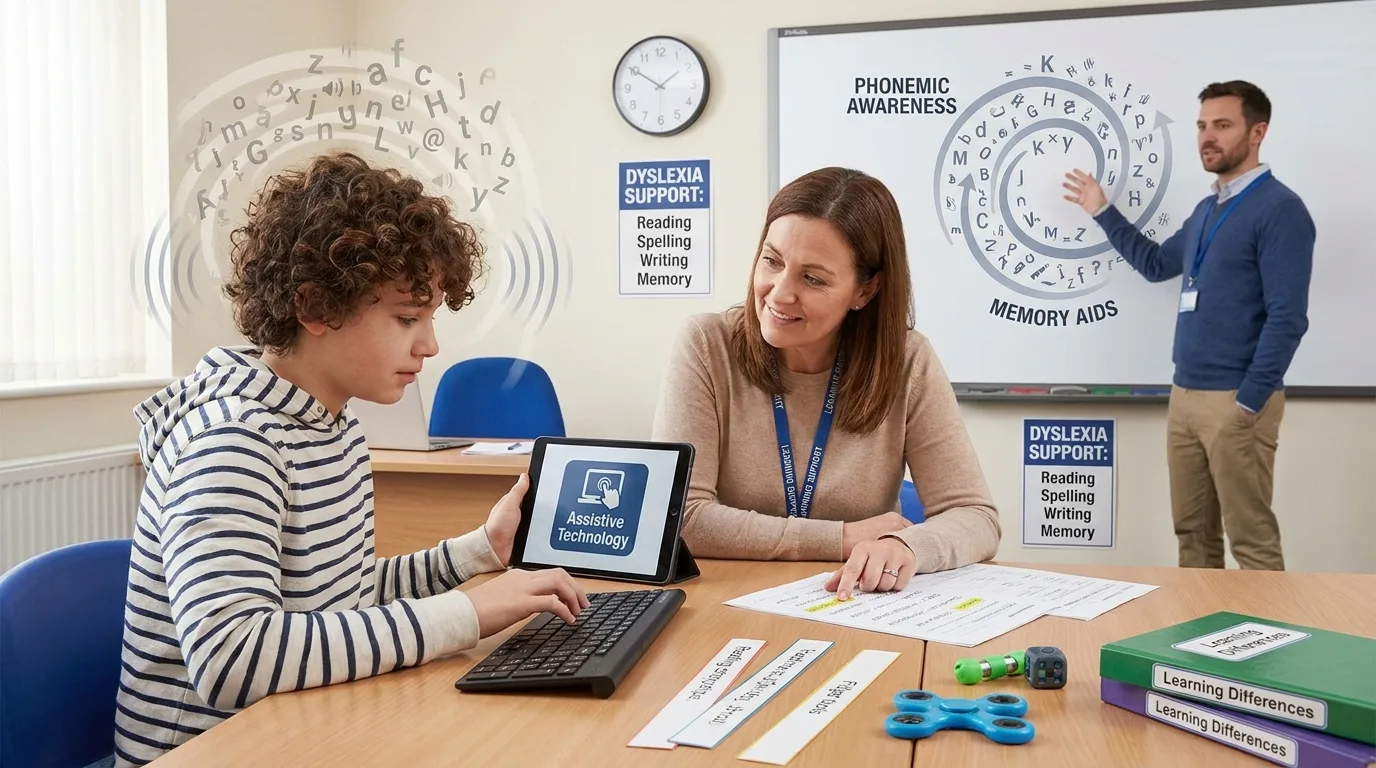
Dyslexia is a learning difference that affects an individual's ability to process written language. This can manifest in various ways, such as difficulty with reading comprehension, decoding words, or remembering spelling rules. While dyslexia is often associated with reading challenges, it can also impact writing and even speaking.
To put it simply, individuals with dyslexia may struggle with the following:
Recognizing individual sounds within words (phonemic awareness)
Decoding unfamiliar words
Remembering spelling patterns and rules
Understanding written text and completing reading assignments
Typically, people with dyslexia have normal intelligence and are not lazy or unmotivated. However, they may need to work harder to compensate for their difficulties with written language. Research suggests that 1 in 5 individuals has some degree of dyslexia (International Dyslexia Association).
Understanding the Complexity of Dyslexia
Dyslexia is a complex and multifaceted condition that affects not only reading skills but also writing, spelling, and even speaking abilities. It's essential to recognize that each individual with dyslexia will experience symptoms differently.
For example:
Some individuals may struggle with phonemic awareness, while others may have difficulties with decoding unfamiliar words.
Some may exhibit strengths in mathematics or other subjects despite their reading challenges.
Others might require extra support with writing and spelling due to visual-spatial difficulties.
What is an IEP?
An Individualized Education Program (IEP) is a tailored plan created by a team of educators, parents, and other professionals to address the unique needs of a student with a disability or learning difference. The IEP outlines specific goals, objectives, and accommodations that will help the student succeed academically.
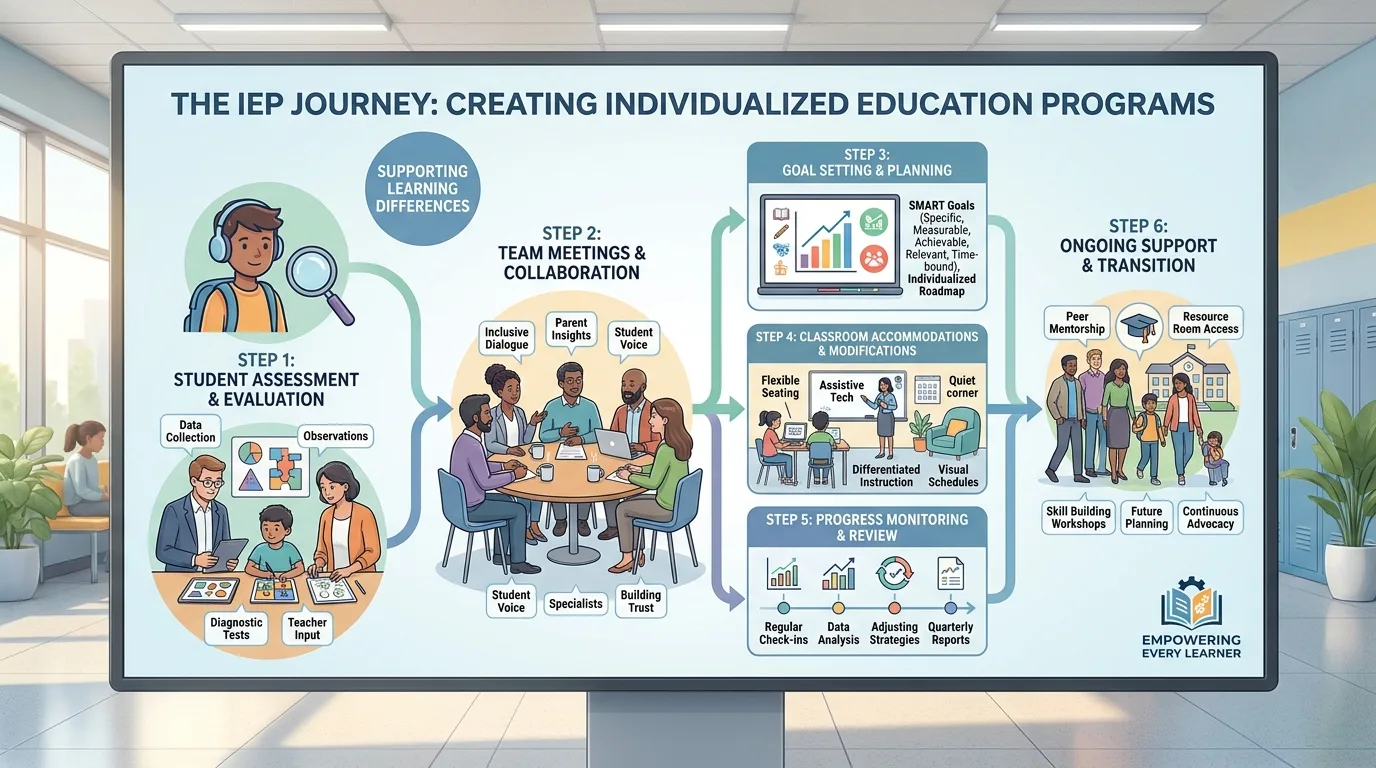
A typical IEP includes:
• Present levels of academic achievement and functional performance (PLAAFP)
• Annual goals
• Accommodations and modifications
• Progress monitoring procedures
• Date for reviewing and revising the plan
IEPs are essential in providing students with the support they need to access education. By breaking down complex concepts into manageable pieces, IEPs help students make progress towards meeting their academic potential.
Developing Effective IEPs
To create an effective IEP, educators must work collaboratively with parents and other professionals to:
Assess the student's strengths and challenges
Set realistic goals that cater to their needs
Develop accommodations and modifications that support their learning style
Here are some essential steps in developing an effective IEP:
1. Assess the Student: Conduct thorough assessments, including screening tools, to identify the student's strengths and challenges.
2. Set Realistic Goals: Establish clear, measurable goals that align with the student's academic needs and abilities.
3. Develop Accommodations: Provide accommodations such as assistive technology, extra time for assignments, or modifications like reducing reading requirements.
4. Monitor Progress: Regularly review the student's progress towards meeting their IEP goals.
Dyslexia Screeners: What Do They Measure?
Dyslexia screeners are assessments designed to identify potential dyslexic traits or patterns in reading, writing, and spelling skills. These tools can be used by educators, psychologists, or other professionals to determine whether a student may benefit from an IEP.
Some common characteristics measured by dyslexia screeners include:
• Phonemic awareness (the ability to recognize individual sounds within words)
• Decoding accuracy
• Reading fluency
• Spelling patterns
• Working memory
Screening tools can be informal, such as the "Phonics Screening" or more comprehensive assessments like the Comprehensive Test of Phonological Processing.
Choosing Appropriate Dyslexia Screeners
When selecting a dyslexia screener, educators should consider factors such as:
Age and grade level of the student
Specific areas of difficulty (e.g., reading comprehension, phonemic awareness)
Availability of resources for implementation
Some popular dyslexia screeners include:
Phonics Screening Test (PST)
Woodcock-Johnson Tests of Achievement
Comprehensive Test of Phonological Processing
Creating Inclusive Learning Environments
To create inclusive learning environments where students with dyslexia thrive, educators should focus on providing:
Flexible learning options that cater to individual needs
Accessible materials and resources
Supportive classroom environments that foster a sense of belonging
By working together, educators can create a supportive environment where all students can succeed.
Maintaining Progress and Monitoring IEPs
To ensure the effectiveness of an IEP, regular progress monitoring is essential. This involves:
Tracking student progress towards meeting IEP goals
Adjusting accommodations or modifying the IEP as needed
Communicating with parents and other professionals to share results
By maintaining open communication and regularly reviewing progress, educators can create a collaborative environment that supports students' academic success.
Conclusion
Understanding dyslexia screeners and IEPs is crucial for supporting students with learning differences. By demystifying these concepts and working collaboratively with parents and professionals, educators can create inclusive environments where all students thrive.
This Article was made with AI assistance and human editing.