

The Future of Electric Vehicles Just Got a Whole Lot Brighter
As the world continues to shift towards cleaner and more sustainable forms of energy, one technology is poised to revolutionize the electric vehicle (EV) industry: solid-state batteries. These innovative batteries have the potential to significantly improve the range, efficiency, and safety of EVs, making them an attractive option for environmentally conscious consumers.
The increasing demand for sustainable transportation solutions has led to a surge in research and development of advanced battery technologies. Solid-state batteries are at the forefront of this movement, offering a promising solution to the challenges facing traditional lithium-ion batteries. In this article, we'll delve into the world of solid-state batteries, exploring their benefits, functionality, and potential drawbacks.
What are Solid-State Batteries?
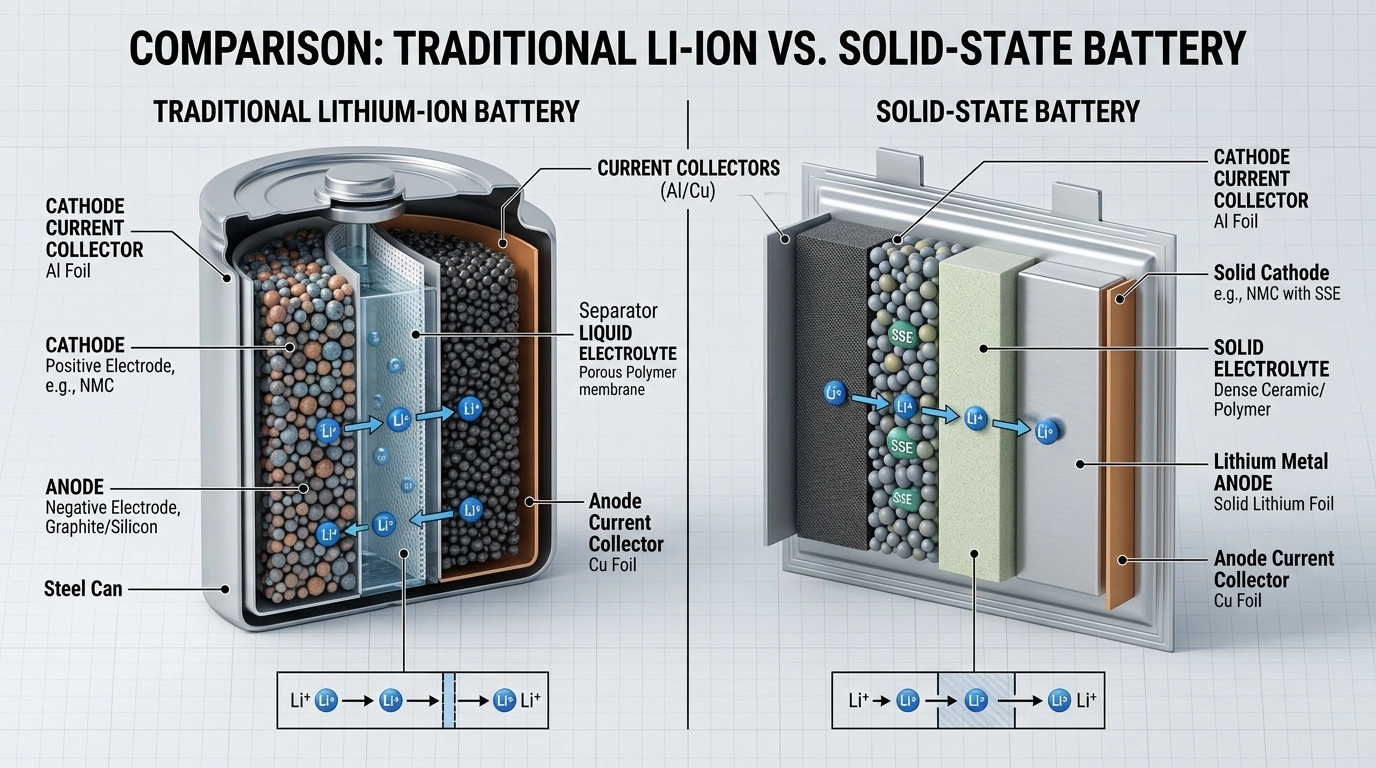
Solid-state batteries (SSBs) are a type of rechargeable battery that replaces the liquid electrolyte in traditional lithium-ion batteries with a solid material. This design change has several key benefits, including improved safety, increased energy density, and faster charging times.
To understand how SSBs work, it's essential to grasp the fundamental principles of battery operation. In a traditional lithium-ion battery, ions move through a liquid electrolyte between the anode and cathode. However, this liquid can be prone to leakage, thermal runaway, and other safety issues. Solid-state batteries eliminate these risks by using a solid electrolyte instead.
Here's how SSBs work in more detail:
1. The anode and cathode are made from different materials, such as silicon or graphite.
2. A solid electrolyte, typically made from ceramic or glass, separates the anode and cathode.
3. When a charge is applied, ions move through the solid electrolyte, allowing the battery to discharge.
This design change has significant implications for battery performance. By eliminating the liquid electrolyte, SSBs reduce the risk of thermal runaway and improve overall safety.
Benefits of Solid-State Batteries
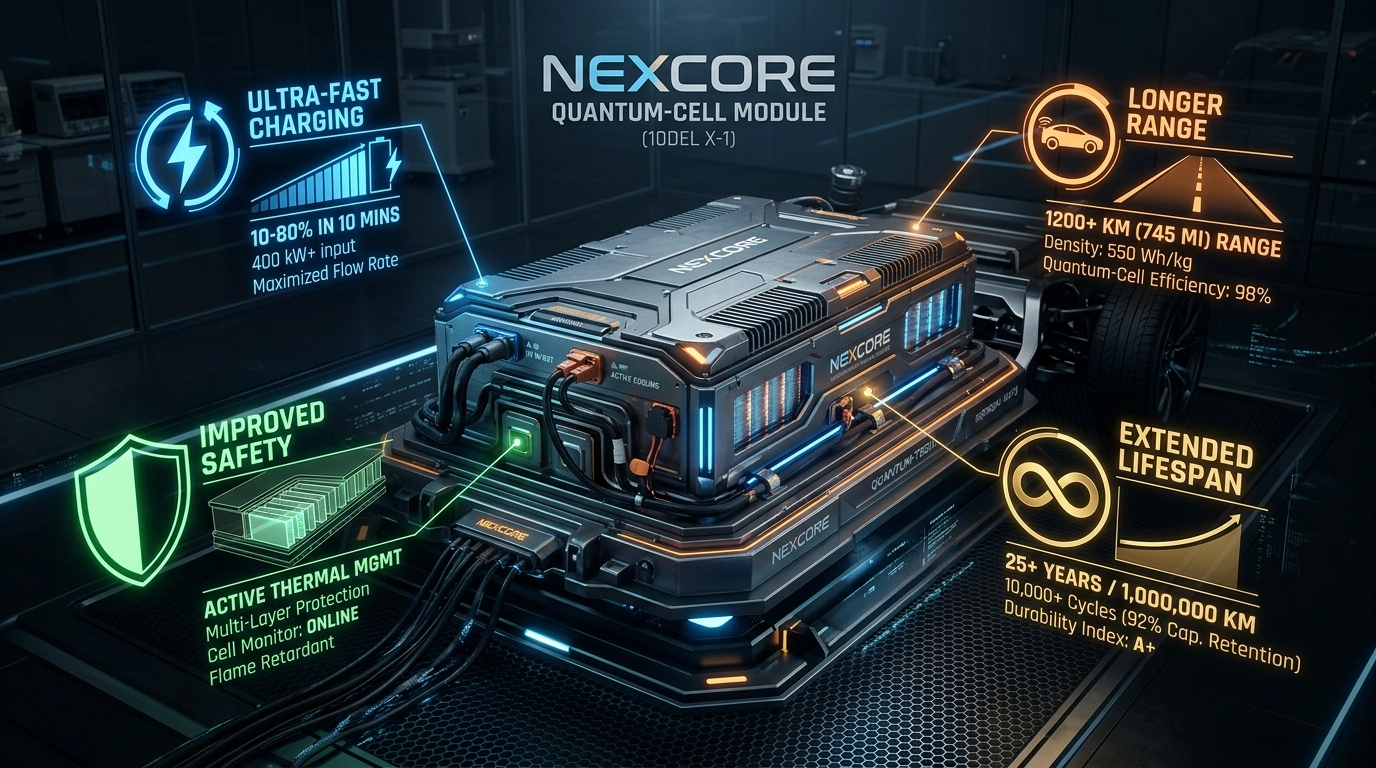
So, what makes SSBs so attractive? Here are some key benefits:
• Improved Safety: SSBs eliminate the risk of thermal runaway, a phenomenon where lithium-ion batteries can overheat and catch fire.
• Increased Energy Density: SSBs can store more energy per unit of weight than traditional lithium-ion batteries, making them ideal for EV applications.
• Faster Charging Times: SSBs can charge up to 5 times faster than traditional lithium-ion batteries, reducing the time it takes to recharge an EV.
• Longer Cycle Life: SSBs have been shown to last up to 3 times longer than traditional lithium-ion batteries, reducing the need for frequent replacements.
These benefits are particularly significant for electric vehicles, which require high energy density and long cycle life to achieve optimal performance. By improving these characteristics, SSBs can help EV manufacturers create more efficient, reliable, and sustainable vehicles.
How Do Solid-State Batteries Compare to Traditional Lithium-Ion Batteries?
While SSBs offer several advantages over traditional lithium-ion batteries, they also have some limitations. Here's a comparison of the two:
• Cost: SSBs are currently more expensive than traditional lithium-ion batteries.
• Manufacturing Complexity: SSBs require specialized manufacturing equipment and processes, making them more difficult to produce.
• Materials Used: SSBs use different materials than traditional lithium-ion batteries, which can be more costly and harder to obtain.
This comparison highlights the trade-offs between SSBs and traditional lithium-ion batteries. While SSBs offer improved performance and safety, they also require significant investments in manufacturing infrastructure and material development.
Challenges and Limitations
While SSBs have many benefits, they also face several challenges:
• Scalability: Currently, SSB production is limited due to the high cost of manufacturing equipment.
• Materials Science: Researchers are working to develop new materials that can improve the performance and lifespan of SSBs.
• Economic Viability: The high cost of SSBs makes them less competitive with traditional lithium-ion batteries in some applications.
These challenges highlight the need for continued research and development in solid-state battery technology. By addressing these limitations, manufacturers and researchers can make SSBs more accessible and affordable for a wider range of applications.
Case Studies: Solid-State Battery Applications

SSBs have already begun to appear in various applications:
• Audi's e-tron: Audi has developed an SSB-based electric vehicle that boasts a range of over 500 miles.
• Tesla's Research: Tesla has been experimenting with SSBs for their own EV applications, but no official announcements have been made.
These examples demonstrate the potential of solid-state batteries in real-world applications. By integrating SSBs into electric vehicles and other devices, manufacturers can improve performance, safety, and efficiency.
Conclusion
Solid-state batteries offer a promising solution to the challenges facing traditional lithium-ion batteries. With improved safety, increased energy density, and faster charging times, SSBs are poised to revolutionize the electric vehicle industry. While there are still challenges to overcome, researchers and manufacturers are working tirelessly to develop more efficient, cost-effective methods for producing SSBs.
As consumers continue to demand cleaner, more sustainable forms of energy, solid-state batteries will play an increasingly important role in shaping the future of transportation. Whether you're a seasoned EV enthusiast or just starting your journey towards electrification, understanding the benefits and limitations of SSBs is essential for making informed decisions about your next vehicle.
What's Next?
Stay tuned for further updates on the development and implementation of solid-state batteries. As this technology continues to evolve, we can expect to see more innovative applications and breakthroughs in the years to come.
With its potential to transform the electric vehicle industry, solid-state battery technology is an exciting area of research and development. By understanding the benefits and limitations of SSBs, consumers can make informed decisions about their energy storage needs and contribute to a more sustainable future.
This Article was made with AI assistance and human editing.
